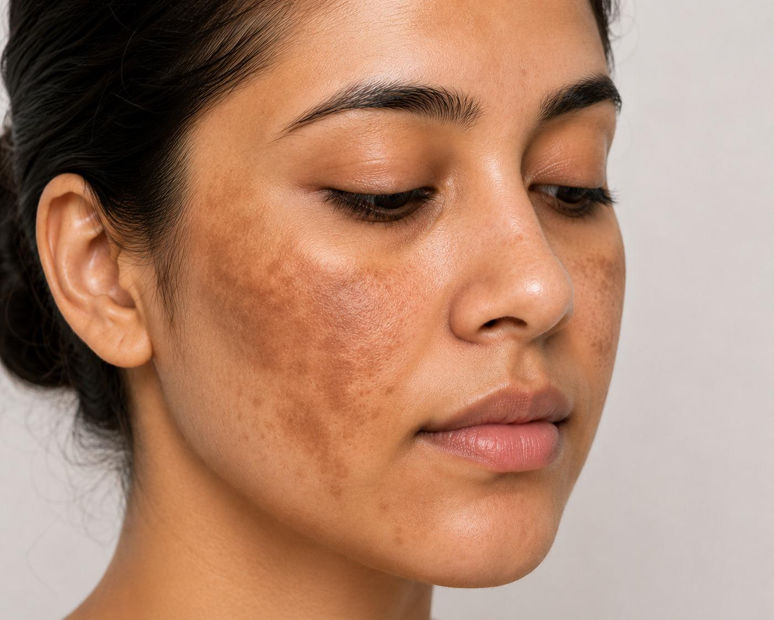
Melasma is one of the most common skin pigmentation concerns, affecting millions of people worldwide. Characterized by brown, gray-brown or dark patches on the face, melasma often appears on the cheeks, forehead, nose and upper lip. While it is not harmful to physical health, it can significantly impact self-confidence and overall appearance.
The good news is that modern dermatology offers several effective solutions to manage and reduce melasma. Understanding the condition, its causes and available treatment options can help you choose the right path toward healthier, more even-toned skin. If you are looking for Melasma Treatment in Kalyan, MySkindom is the answer.
Melasma Treatment: A Comprehensive Approach to Clearer Skin
Melasma occurs when melanocytes, the cells responsible for producing skin pigment, become overactive and produce excess melanin. Unlike temporary tanning or minor pigmentation, melasma tends to be persistent and may worsen if left untreated.
Professional Melasma Treatment in Kalyan focuses not only on reducing visible pigmentation but also on identifying the underlying triggers that contribute to the condition. Since melasma often has multiple causes, a personalized treatment plan is essential for achieving lasting results.
Dermatologists typically combine advanced procedures with medical-grade skincare and lifestyle recommendations to help patients effectively manage melasma and prevent recurrence.
What Causes Melasma?
Melasma is a complex skin condition influenced by several internal and external factors. Understanding these triggers is the first step toward effective treatment.
1. Sun Exposure
Ultraviolet (UV) rays are among the biggest contributors to melasma. Even brief exposure to sunlight can stimulate melanin production, making pigmentation darker and more noticeable.
2. Hormonal Changes
Hormonal fluctuations often play a significant role in melasma development. This is why the condition is frequently seen during pregnancy, leading to its common nickname, the "pregnancy mask." Hormonal contraceptives and hormone replacement therapies may also contribute to melasma in some individuals.
3. Genetics
A family history of melasma can increase the likelihood of developing the condition. People with naturally darker skin tones are often more susceptible due to higher melanin activity.
4. Heat and Environmental Factors
Research suggests that heat exposure can stimulate pigment-producing cells, making melasma more challenging to control, especially in warm climates.
5. Certain Skincare Products
Products that irritate the skin may trigger inflammation and worsen pigmentation. Using unsuitable skincare products can sometimes intensify melasma symptoms.
Recognizing the Signs of Melasma
Melasma typically presents as symmetrical patches of discoloration on sun-exposed areas of the face. Common signs include:
- Brown or gray-brown patches on the cheeks
- Pigmentation on the forehead
- Darkened skin around the upper lip
- Uneven skin tone
- Symmetrical discoloration on both sides of the face
Unlike acne or skin infections, melasma does not cause pain, itching or discomfort. However, its cosmetic impact often motivates individuals to seek professional treatment.
Why Professional Treatment Matters
Many people attempt to manage melasma using home remedies or over-the-counter products. While some topical products may provide temporary improvements, melasma often requires a more comprehensive and targeted approach.
Professional dermatological care offers several advantages:
- Accurate diagnosis of the pigmentation type
- Customized treatment plans
- Access to advanced technologies
- Safe and effective procedures
- Long-term management strategies
- Reduced risk of worsening pigmentation
A dermatologist can determine whether the pigmentation is truly melasma or another skin condition requiring a different treatment approach.
Effective Options for Melasma Treatment in Kalyan
Modern dermatology provides multiple solutions for managing melasma. The most effective approach often involves combining several treatments based on the individual's skin type, severity of pigmentation and lifestyle factors.
Chemical Peels
Chemical peels are widely used to treat melasma by removing damaged outer layers of skin and promoting cellular renewal. Benefits include:
- Reduction in superficial pigmentation
- Improved skin texture
- Enhanced skin brightness
- Better absorption of skincare products
When performed under professional supervision, chemical peels can be an effective component of melasma management.
Laser and Light-Based Treatments
Advanced laser technologies target excess melanin deposits within the skin. These treatments can help reduce stubborn pigmentation while encouraging skin rejuvenation. Laser procedures are carefully selected based on the patient's skin tone and pigmentation depth to minimize the risk of side effects.
Medical-Grade Skincare
Dermatologists often recommend specialized skincare products containing ingredients such as:
- Vitamin C
- Azelaic acid
- Kojic acid
- Retinoids
- Tranexamic acid
- Hydroquinone (when appropriate)
These ingredients help regulate melanin production and improve overall skin appearance.
Microneedling and Combination Therapies
In some cases, combination treatments involving microneedling and targeted skincare may enhance results by improving product penetration and stimulating skin renewal.
Sun Protection Strategies
No melasma treatment plan is complete without proper sun protection. Daily sunscreen use is one of the most important factors in preventing recurrence. Experts recommend:
- Broad-spectrum SPF 50 or higher
- Reapplication every two to three hours outdoors
- Protective hats and sunglasses
- Avoiding excessive sun exposure during peak hours
How Long Does Melasma Treatment Take?
Melasma is a chronic condition that often requires patience and consistency. Results vary depending on factors such as:
- Severity of pigmentation
- Skin type
- Treatment method used
- Compliance with skincare routines
- Sun protection habits
Some individuals notice improvements within a few weeks, while others may require several months of treatment to achieve significant results. The key to successful melasma management lies in consistency and ongoing maintenance.
The Importance of Personalized Skin Care
No two cases of melasma are exactly alike. What works for one individual may not be suitable for another. This is why personalized treatment plans are essential.
Professional skin assessments allow experts to evaluate:
- Pigmentation depth
- Skin sensitivity
- Underlying triggers
- Previous treatment history
- Lifestyle factors
Based on these findings, a customized treatment strategy can be developed to maximize results while protecting skin health.
Why Choose MySkindom for Skin Care Solutions?
For individuals seeking advanced skin and beauty services, MySkindom has established itself as a trusted name in Kalyan. The center focuses on providing personalized care that addresses each client's unique concerns and aesthetic goals.
By combining modern dermatological approaches with a client-centered experience, MySkindom offers solutions designed to improve skin health, enhance appearance and support long-term confidence. Their team emphasizes customized treatment planning, ensuring that every individual receives care tailored to their specific needs.
Whether addressing pigmentation concerns, skin rejuvenation goals or overall beauty enhancement, the focus remains on delivering safe, effective and result-oriented solutions.
Melasma Treatment in Kalyan: Prevention Tips for Lasting Results
While treatment can significantly improve melasma, prevention remains equally important. To maintain results:
- Wear sunscreen every day, regardless of weather
- Follow a dermatologist-recommended skincare routine
- Avoid excessive heat exposure
- Use gentle skincare products
- Attend regular skin consultations
- Address hormonal factors when possible
Consistent preventive care can help minimize future pigmentation and prolong treatment outcomes.
Conclusion
Melasma is a challenging but manageable skin condition. With the right combination of professional treatments, medical-grade skincare and preventive measures, individuals can achieve noticeable improvements in skin tone and overall appearance.
If you are considering Melasma Treatment in Kalyan, seeking expert guidance is the best way to identify the root cause of your pigmentation and develop a personalized treatment strategy. Modern dermatological solutions offer effective options for reducing discoloration, restoring skin clarity and boosting confidence.
Facilities like MySkindom provide comprehensive skin care support, helping individuals take a proactive approach toward healthier, brighter and more radiant skin. With proper care and consistent management, achieving a more even complexion is an attainable goal for many people dealing with melasma.